
As a home performance contractor with more than ten years of experience working in attics, crawlspaces, and older homes throughout the Southeast, I’ve learned that a quality attic insulation service can fix problems homeowners have often been blaming on everything else. Most people do not call me and say, “I think my attic insulation is failing.” They call because the upstairs is always hotter, the HVAC seems to run nonstop, or one bedroom never feels quite right no matter how low they set the thermostat.
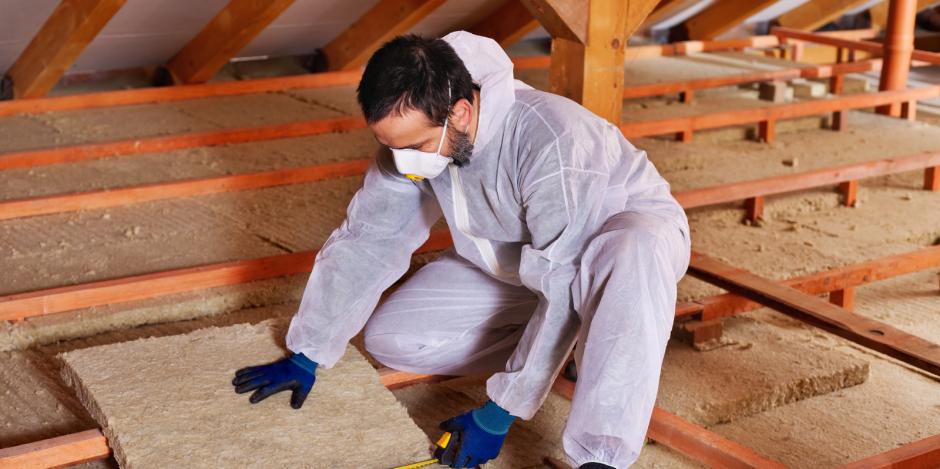
In my experience, attic insulation problems show up in daily frustrations long before homeowners realize where the issue starts. A house can look perfectly fine from the hallway and still be leaking comfort through the attic all day. I’ve seen plenty of homes in the Charlotte area where the insulation was technically there, but it had settled unevenly, been disturbed by previous work, or was simply not doing enough anymore. A proper attic insulation service is not just about adding material. It is about figuring out why the home feels uncomfortable in the first place.
I remember a customer last spring who was convinced her upstairs air conditioner was wearing out. By midafternoon, the second floor felt sticky and one bedroom over the garage was the first to become uncomfortable. She had already spent money on service calls and was preparing herself for a costly replacement. When I got into the attic, I found thin spots in the insulation, open gaps around penetrations, and coverage that had clearly been disturbed over the years. The equipment was not the main problem. The house was making that system work harder than it should. After the attic was properly addressed, she told me the upstairs finally felt usable during the hottest part of the day.
That kind of job is why I always tell homeowners not to judge attic insulation work by thickness alone. I’ve found that the details matter just as much as the material. Coverage near the eaves, attic hatches, wiring penetrations, recessed fixtures, and awkward framing transitions can make or break the result. I have seen low-cost insulation jobs where the center of the attic looked fine, but the edges and problem areas were rushed or ignored. The homeowner ended up with more insulation on paper and nearly the same comfort complaints in practice.
Another house that stayed with me had a nursery where the temperature never seemed stable. The parents thought they might need to replace windows because the room was always warmer in summer and cooler in winter. Once I checked the attic above that section of the house, I found insulation that had compressed badly and left weak spots around a couple of tricky framing transitions. It was not dramatic at first glance, but it was enough to affect comfort every day. Once those areas were corrected, the room settled down in a way the family noticed almost immediately.
I have also worked in homes where the attic insulation itself was only part of the issue. One homeowner called because her house felt dusty and uncomfortable, especially after a roof repair from a previous year. In the attic, I found disturbed insulation, uneven coverage, and clear signs that important areas had never been restored properly after the work was done. That is something many homeowners do not realize: contractors from other trades can unintentionally affect attic performance, and if no one goes back to correct it, the house pays the price.
The mistake I see most often is homeowners assuming any attic insulation service is basically the same. I do not believe that. A skilled crew should ask which rooms feel off, how long the problem has been happening, and whether humidity or uneven temperatures are part of the complaint. They should inspect before recommending. They should also be willing to say when the problem is more than just low insulation depth.
After years in this field, my opinion is straightforward: a good attic insulation service does not just make an attic look fuller. It makes the house feel steadier, quieter, and easier to live in. In Charlotte homes, where heat and humidity can expose every weakness above the ceiling, that kind of work pays off in the ways homeowners notice most.